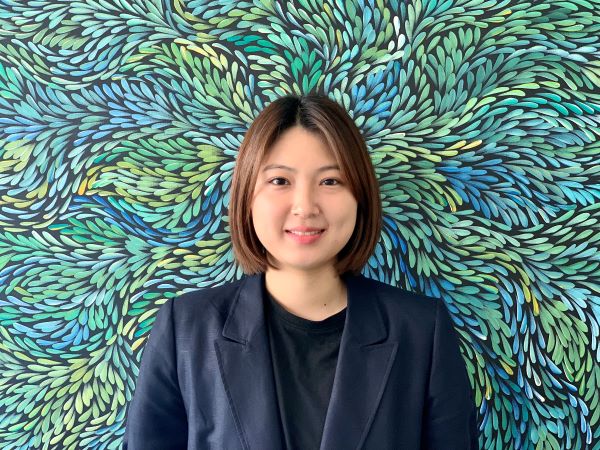
Feel Amazing Wellness Centre has been offering acupuncture and Traditional Chinese Medicine (TCM) in Chatswood since 2005. Acupuncture is a long-established treatment approach that is increasingly used within integrative healthcare settings. Our registered acupuncturist and TCM practitioner Sumin provides treatment for a wide range of concerns, including musculoskeletal pain, stress, sleep, digestive health and women’s health.
What is Traditional Chinese Medicine?
Traditional Chinese Medicine (TCM) has been practised for thousands of years and remains widely used throughout the world. TCM approaches health from a broad perspective, taking into account factors such as sleep, stress, diet, lifestyle and overall wellbeing alongside physical symptoms.
Diagnostic tools such as tongue and pulse assessment may be used alongside your health history to help guide treatment.
Techniques used in TCM may include acupuncture, cupping, moxibustion and herbal medicine.
What is Acupuncture?
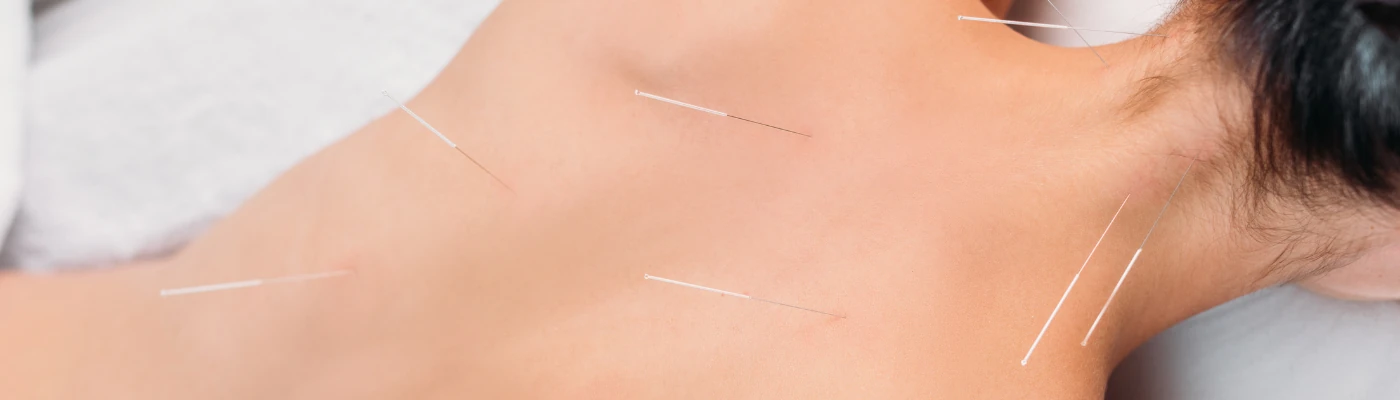
Acupuncture involves the insertion of fine, sterile, single-use needles through the skin at specific points on the body. These points are located along meridians, pathways through which energy (qi) is understood to flow. There are over 360 acupuncture points in the body, and the points selected for treatment are based on your presenting health concerns.
Once the needles are inserted, they are typically left in place for 10 to 30 minutes. During or after insertion, you may notice sensations such as tingling, warmth, heaviness or a mild dull ache around some points. These sensations are common during acupuncture treatment and are usually temporary.
Research suggests acupuncture may work through neurological pathways, stimulating muscles, nerves and connective tissues to increase blood flow and support the body’s natural pain-relieving mechanisms.
What Can Acupuncture Help With?
Acupuncture is commonly used to support the management of a wide range of concerns, including:
- Pain including back pain, neck pain, shoulder pain and general musculoskeletal discomfort
- Headaches and migraines - acupuncture is one of the most well-researched applications for headache management
- Stress and anxiety - acupuncture may help promote relaxation and support emotional wellbeing
- Sleep difficulties - many clients report improved sleep following acupuncture treatment
- Digestive concerns - acupuncture may support digestive function and comfort
- Women’s health including menstrual concerns, fertility support, IVF support and menopause
- Seasonal allergies - acupuncture may help support symptom management for some people during allergy seasons
- Nausea including pregnancy-related nausea
- Sciatica - acupuncture may support pain management alongside other treatments
Acupuncture During Pregnancy
Acupuncture can be a supportive part of pregnancy care when provided by a qualified practitioner experienced in pregnancy treatment.
Pregnancy Acupuncture
Acupuncture during pregnancy may help manage symptoms such as nausea and vomiting, digestive issues, poor sleep, anxiety and general discomfort. Treatment frequency is typically every 2 to 3 weeks, depending on your needs.
Birth Preparation and Induction Support
From around week 35, acupuncture can be used to help prepare the body for birth. Treatment focuses on supporting relaxation, comfort and preparing the body for labour in the later stages of pregnancy.
- Birth preparation is recommended to commence around week 35 to 36, once weekly until delivery
- Breech presentation - moxibustion (a warming technique using mugwort) may be used from around week 33 to 35 to support the baby turning. We use smokeless moxa in the clinic. Weekly treatment is recommended.
- Induction support - Induction support - acupuncture is sometimes used in the later stages of pregnancy to support relaxation and encourage the body’s natural preparation for labour. Responses vary between individuals, and treatment does not guarantee labour will begin immediately.
Sumin will also teach you acupressure points to use at home between sessions.
There are no guarantees when it comes to timing, as every pregnancy is different. The overriding priority is always the health and wellbeing of mum and baby. A practitioner cannot bring on immediate labour (if they could, there would be a queue out our clinic door). The treatments we provide are designed to support your individual pregnancy needs and for you to feel cared for.
Where possible, many women choose to begin treatment several weeks before their due date to allow time for a gradual treatment approach.
We love to hear how it went and catch up with your news when you return for postnatal treatments.
Postnatal Acupuncture
After birth, acupuncture may support recovery, energy levels and overall wellbeing during the physical and emotional adjustment to new parenthood.
Does Acupuncture Hurt?
While the experience is different for everyone, acupuncture usually does not cause pain. The needles used are much finer than those associated with injections. Some people feel a mild sense of pressure or ache, while others feel nothing at all. Some points on the body are more sensitive than others, and any discomfort during insertion is usually temporary.
Sumin is known for being very gentle. For those with a concern about needles, she can demonstrate on herself first, and there are alternatives available such as acupressure (no needles) and ear seeds. Many people who were initially nervous are surprised at how comfortable the experience is.
What to Expect After Acupuncture
Responses to acupuncture vary. Some people feel energised, while others feel relaxed or sleepy. Both are normal. Listen to your body and rest if needed. Any minor soreness at needle sites should settle within 24 hours.
The number of sessions varies depending on your condition, how long it has been present and how your body responds to treatment. Sumin will discuss a recommended approach with you, which may include lifestyle and dietary considerations alongside acupuncture treatment.
How Acupuncture Works with Our Other Services
Acupuncture works well alongside other services to support broader health concerns.
With cupping to help release muscle tension, improve circulation and support recovery from tight or restricted areas. Cupping may be incorporated into acupuncture treatments where appropriate.
With massage many clients choose to book both acupuncture and massage as part of their overall care, depending on their individual needs. While these are provided as separate appointments with different practitioners, the treatments can work well alongside each other. Learn more about massage
With chiropractic acupuncture may complement chiropractic care, particularly for pain management and musculoskeletal concerns. Learn more about chiropractic
With naturopathy some clients choose to combine acupuncture with naturopathic care to support broader health concerns including stress, digestion, sleep and women’s health. Learn more about naturopathy
Qualifications and Registration
To practise as an acupuncturist in Australia, a minimum of a four-year bachelor degree is required. Acupuncturists must be registered with the Chinese Medicine Board of Australia. “Acupuncturist” and “Chinese medicine practitioner” are protected titles for registered practitioners.
Are There Any Risks?
As with any therapy, there are some considerations:
- Minor bleeding, bruising or soreness may occur at needle insertion sites
- Contraindications exist for patients with bleeding disorders or who take blood thinners. Please inform your practitioner and seek medical advice before treatment.
All needles used at Feel Amazing are single-use, sterilised, professional-grade acupuncture needles. Only qualified and experienced practitioners provide acupuncture treatment at our clinic.
Acupuncture is provided by a registered Chinese Medicine practitioner. If you have a serious health condition, are pregnant, or are currently undergoing medical treatment, please consult your GP or specialist where appropriate. Your practitioner will take a full health history and discuss any relevant considerations before treatment begins.