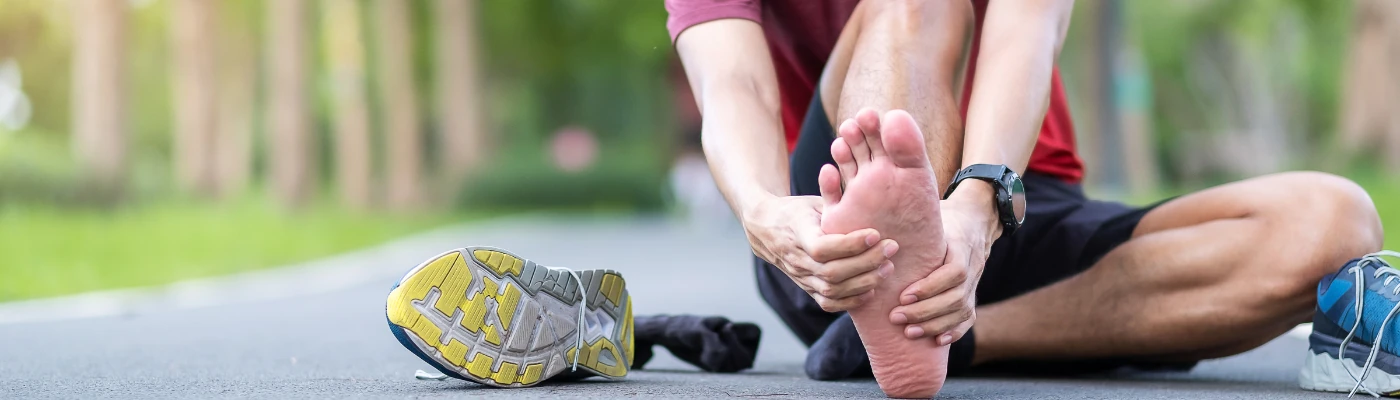
Training and physical activity can sometimes lead to injury, overload or ongoing muscle and joint strain. At Feel Amazing Wellness Centre in Chatswood, our experienced practitioners work with athletes and active people to support recovery, rehabilitation and ongoing physical wellbeing.
Whether you are a weekend runner dealing with a tight hamstring, a junior footballer recovering from a shoulder strain, or a competitive athlete preparing for an event, our team can help.
Common sports injuries we see
- Pulled or strained muscles (hamstrings, calves, shoulders)
- Shoulder injuries and impingement
- Twisted ankles and sprains
- Overuse injuries from repetitive training
- Tennis elbow and golfer’s elbow
- Muscle cramping and tightness after training
- Lower back pain from sport
- Knee pain
We work with athletes across a wide range of sports, including running, football, rugby, rugby league, rowing, swimming, fencing, tennis, basketball and more.
How we can help
At Feel Amazing we take a team approach. Depending on your injury and stage of recovery, one or a combination of the following may be recommended.
Massage supports recovery, manages muscle tension and helps the body move well through training and activity. Techniques may include deep tissue work, trigger point therapy, stretching and movement-based treatment approaches depending on your needs and stage of recovery. Pre-event, post-event and maintenance massage treatments are all available. We also work alongside physiotherapists, sports doctors and other healthcare providers where appropriate so treatment can complement any existing care or rehabilitation you may already be receiving. Learn more about massage
Dry needling may help address stubborn areas of muscle tension, trigger points and deep tightness that may not respond fully to hands-on treatment alone. It is commonly used for muscle strains, overuse injuries and recovery from repetitive training loads. Dry needling can be added to a massage or chiropractic session. Learn more about dry needling
Chiropractic care may help support recovery and improve movement for injuries involving movement restriction, joint stiffness or ongoing musculoskeletal strain. Elijah assesses how your body is moving and functioning as a whole, with treatment tailored to your individual presentation and activity demands. Treatment may include hands-on joint techniques, gentle mobilisation, soft tissue work, rehabilitation exercises and kinesiology taping where appropriate. Learn more about chiropractic
Acupuncture may help support recovery by assisting with pain management and overall comfort. It is commonly used alongside manual therapies for sports-related concerns. Learn more about acupuncture
Naturopathy plays a role in broader recovery. Sleep, stress, nutrition and recovery habits can influence how the body responds to training and injury. Our naturopath Anthony can provide nutritional and lifestyle support tailored to your individual needs as part of a comprehensive recovery approach. Consultations are available online. Learn more about naturopathy
Our team approach
One of the advantages of coming to Feel Amazing is having access to a multidisciplinary team under one roof. Our practitioners communicate with each other where appropriate and help guide you towards the approach that best suits your situation. Some people benefit from combining services, while others improve well with a single treatment. The focus is always on what is most appropriate for you.
What you can do at home
For acute injuries:
- Protect the injury and avoid aggravating it
- Apply ice in the first 24 to 48 hours if there is swelling
- Rest appropriately, but avoid prolonged inactivity where possible
- Elevate the injured area if swelling is present
For recovery and maintenance:
- Stretch before and after activity
- Stay hydrated
- Build in regular maintenance massage between events and training blocks
- Listen to your body, training through pain often leads to more time on the sideline
The information on this page is general in nature. If you have a serious, worsening or persistent condition, please consult your GP or specialist. Our practitioners will take a health history, discuss your individual situation and obtain your consent before treatment begins.